Spinal Cord Stimulation (Neurostimulation Therapy)
Spinal Cord Stimulation (SCS) is an advanced, minimally invasive treatment for managing chronic nerve pain that hasn’t responded well to conservative therapies. This therapy involves implanting a small device under the skin that sends mild electrical pulses to the spinal cord, interrupting pain signals before they reach the brain.
SCS is commonly recommended for individuals with persistent back, leg, or nerve-related pain—especially when other treatments have failed. With customizable settings, patients can regain control of their lives without depending heavily on medications.
How It Works
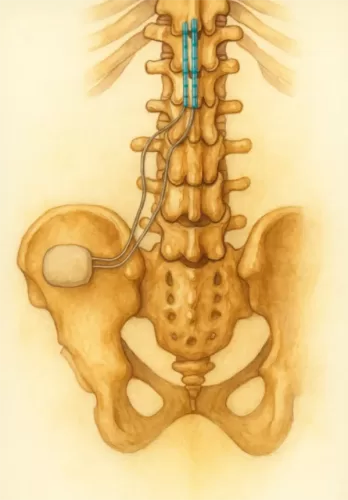
The SCS system includes a pulse generator (like a pacemaker), leads (thin wires), and a remote control. During a trial phase, temporary leads are placed near the spinal cord and connected to an external stimulator to test how well it reduces pain. If the trial is successful, a permanent system is implanted just under the skin—usually in the lower back or abdomen.
Once implanted, the stimulator delivers low-level electrical impulses that disrupt pain signals. Patients can adjust the intensity and coverage area using a handheld remote. The result? Pain relief without numbing or dependence on opioids.
Conditions Treated
Spinal Cord Stimulation is used to treat a range of chronic pain conditions, including:
- Failed Back Surgery Syndrome (FBSS)
- Complex Regional Pain Syndrome (CRPS)
- Chronic radicular pain (nerve pain radiating to arms or legs)
- Post-laminectomy syndrome
- Peripheral neuropathy
- Chronic pain after spinal surgeries
- Refractory angina or pain after amputation (in select cases)
Frequently Asked Questions (FAQs)
Is Spinal Cord Stimulation painful?
The procedure is minimally invasive and typically performed under local anesthesia with sedation. Most patients report little to no discomfort during the trial and minimal postoperative pain after the permanent implant.
How long is the trial phase?
The trial usually lasts about 5 to 7 days. This short period allows both you and your doctor to determine if the therapy effectively reduces your pain before committing to permanent implantation.
Can I control the stimulator?
Yes. The implanted device comes with a remote control that lets you adjust the intensity, location, and pattern of stimulation, depending on your activity or pain level.
Will I still feel pain?
While SCS doesn’t eliminate pain entirely, it can reduce it significantly—many patients report 50–70% relief or more.
Will I need to recharge the device?
That depends on the model. Some systems are rechargeable and can last 10+ years, while others are non-rechargeable and may need replacement every 5–7 years.
What Types of Results Can I Expect from SCS?
Spinal Cord Stimulation can offer life-changing improvements for chronic pain sufferers. Benefits may include:
- Significant and sustained pain relief (50% or more)
- Improved function and quality of life
- Decreased reliance on pain medications, especially opioids
- Better sleep and mental health due to reduced pain
- Reversibility—device can be adjusted or removed if needed
At our clinic, we prioritize a multidisciplinary approach that combines advanced treatment with personal, compassionate care—because lasting relief isn’t just about technology, it’s about the people behind it.
Bibliography
Mayo Clinic. (2023). Spinal Cord Stimulation for Pain Management. Retrieved from https://www.mayoclinic.org
American Academy of Pain Medicine (AAPM). (2023).
Understanding Neurostimulation Therapy. Retrieved from https://www.painmed.org
National Institute of Neurological Disorders and Stroke (NINDS). (2023).
Chronic Pain and Neuromodulation. Retrieved from https://www.ninds.nih.gov