
Epidural Steroid Injections (ESI)
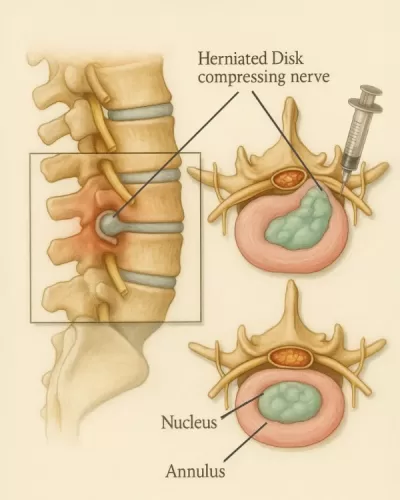
Epidural Steroid Injections (ESIs) are a non-surgical, image-guided treatment aimed at relieving inflammation and pain caused by spinal nerve compression. This minimally invasive procedure involves injecting a combination of corticosteroids and anesthetic medication directly into the epidural space—the area surrounding the spinal cord and nerves. ESIs are commonly used to manage chronic pain related to disc herniations, spinal stenosis, and nerve root irritation in the neck (cervical), mid-back (thoracic), or lower back (lumbar) regions.
How It Works
Under real-time fluoroscopic (X-ray) guidance, your provider carefully inserts a thin needle into the epidural space. Once the needle is correctly positioned, a steroid and numbing medication is administered to reduce inflammation and calm irritated nerves. The steroid helps decrease swelling and pressure around the spinal nerve roots, while the anesthetic provides more immediate pain relief. The entire procedure typically takes less than 30 minutes and is performed in an outpatient setting, allowing most patients to return to light activities the same day.
Conditions We Treat with ESI
- Herniated or bulging discs
- Spinal stenosis (narrowing of the spinal canal)
- Sciatica (nerve pain radiating down the leg)
- Cervical radiculopathy (pinched nerve in the neck)
- Lumbar radiculopathy (pinched nerve in the lower back)
- Degenerative disc disease
- Thoracic nerve pain
- Post-laminectomy syndrome (failed back surgery syndrome)
Frequently Asked Questions (FAQs)
Am I a candidate for an epidural steroid injection?
You may be a good candidate if you suffer from chronic spinal pain that radiates into the arms or legs and have not responded well to physical therapy, medications, or other conservative treatments. Imaging (MRI or CT) confirming nerve root compression often supports the decision to proceed.
Is the procedure painful?
You may feel slight pressure or discomfort during the injection, but the procedure is generally well-tolerated. A local anesthetic is used to numb the skin before the needle is inserted, and sedation may be available if needed.
How many injections can I receive?
Typically, up to three injections may be given in a 6 to 12-month period, spaced weeks apart. The decision is made based on your response to the first injection and the underlying condition being treated.
Will I need someone to drive me home?
Yes. While ESI is a safe outpatient procedure, it’s recommended to have someone drive you home due to temporary numbness or weakness in the treated area.
What Kind of Results Can I Expect?
Relief may begin within a few days of the injection and can last from several weeks to several months, depending on the severity of the condition. Many patients find that ESIs help reduce their reliance on oral medications and improve their ability to participate in physical therapy. While not a cure, ESIs can be an effective part of a comprehensive pain management plan.
Bibliography
Mayo Clinic. (2023). Epidural Steroid Injections for Pain Management. Retrieved from https://www.mayoclinic.org
American Academy of Orthopaedic Surgeons (AAOS). (2023).
Spinal Injections for Pain Relief. Retrieved from https://www.aaos.org
National Institute of Neurological Disorders and Stroke (NINDS). (2023).
Pain Management Techniques. Retrieved from https://www.ninds.nih.gov