
Varicose Veins
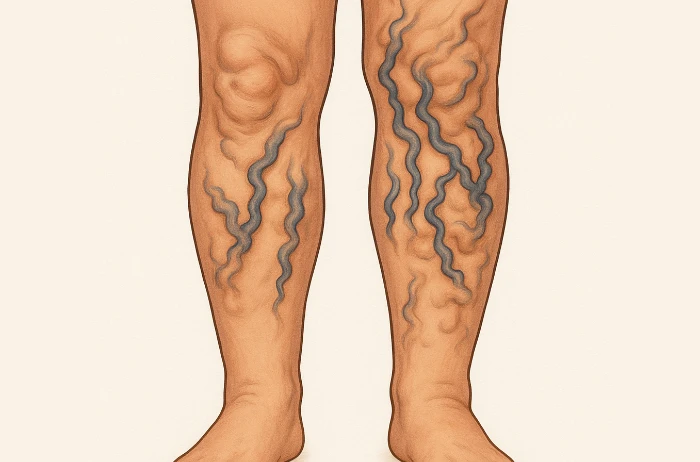
Varicose veins are enlarged, twisted veins that often appear on the legs and feet due to weakened or damaged vein valves. These veins can become raised, bulging, and blue or purple in color. While many patients seek treatment for cosmetic reasons, varicose veins may also indicate deeper circulatory issues such as chronic venous insufficiency (CVI). Symptoms can include leg heaviness, throbbing pain, swelling, and skin changes.
Causes
Varicose veins develop when the valves inside your veins stop functioning properly. These one-way valves are designed to keep blood flowing upward toward the heart. When they weaken or become damaged, blood can pool in the legs, causing the veins to stretch and become varicose.
Commonly Contributing Factors
Common contributing factors include:
- Chronic venous insufficiency (CVI)
- Genetics or family history of vein disease
- Pregnancy, due to increased blood volume and hormonal changes
- Prolonged standing or sitting, especially in occupations like teaching, nursing, or retail
- Obesity, which increases venous pressure
- Aging, as vein walls naturally weaken over time
- Previous blood clots or vein trauma
They most frequently appear on the lower legs, behind the knees, and along the inner thighs.
Treatments Available
At AllSpine Pain and Wellness, we provide safe, modern, and minimally invasive treatments tailored to each patient’s needs—whether for pain relief, aesthetic improvement, or both:
- Endovenous Radiofrequency Ablation (EVRFA): A catheter-based procedure that uses heat to seal off faulty veins, rerouting blood to healthier vessels.
- Sclerotherapy: A nonsurgical injection treatment that collapses small varicose or spider veins, causing them to fade over time.
- Compression Therapy: Prescription-grade stockings that improve circulation, reduce swelling, and prevent progression.
- Minimally Invasive Vein Removal (Microphlebectomy): For larger surface veins, this technique involves small punctures to remove the problematic veins with minimal scarring.
Our treatments are performed in-office with little to no downtime, and most patients return to normal activities the same day.
Frequently Asked Questions (FAQs)
Are varicose veins dangerous?
While often considered cosmetic, varicose veins can signal poor circulation. Left untreated, they may lead to complications like swelling, skin discoloration, or leg ulcers.
Do I need an ultrasound before treatment?
Yes. A venous ultrasound helps identify the extent of valve dysfunction and whether underlying venous insufficiency is contributing to your symptoms.
Is vein ablation painful?
No. EVRFA is performed under local anesthesia. Most patients report minimal discomfort during and after the procedure.
Will my veins come back after treatment?
Treated veins are permanently closed or removed, but new varicose veins can develop over time. Lifestyle changes and follow-up care can help prevent recurrence.
Does insurance cover varicose vein treatment?
If the veins are causing medical symptoms like pain or swelling, many insurance plans cover diagnostic testing and medically necessary procedures. Cosmetic treatments may not be covered.
Bibliography
Mayo Clinic. (2023). Varicose Veins. Retrieved from https://www.mayoclinic.org
American Vein & Lymphatic Society. (2023). Understanding Varicose Veins. Retrieved from https://www.phlebology.org
National Heart, Lung, and Blood Institute (NHLBI). (2023). Venous Disorders. Retrieved from https://www.nhlbi.nih.gov