
- 1 The Evolution of Spine Care
- 2 Advanced Diagnostic and Therapeutic Injections
- 3 Long-Term Relief Through Radiofrequency Procedures
- 4 Minimally Invasive Surgical Solutions
- 5 Advanced Technology for Chronic Pain
- 6 The Precision Medicine Approach
- 7 Combining Treatments for Optimal Results
- 8 Recovery and Long-Term Outcomes
- 9 The Future of Spine Care
- 10 Conclusion
If you’ve been dealing with chronic back pain, you’re likely familiar with the medicine cabinet shuffle—reaching for another bottle of pain relievers, hoping this time they’ll provide lasting relief. However, there’s a growing understanding that effective pain management extends far beyond traditional pharmaceuticals. Modern spine medicine has evolved to offer comprehensive approaches that address not just the symptoms, but the underlying causes of chronic back pain.
The shift toward advanced interventional treatments represents a significant advancement in how we understand and treat persistent back problems. Rather than relying solely on medications that mask pain temporarily, today’s treatment strategies focus on restoring function, improving quality of life, and providing long-term solutions through precise, targeted interventions.
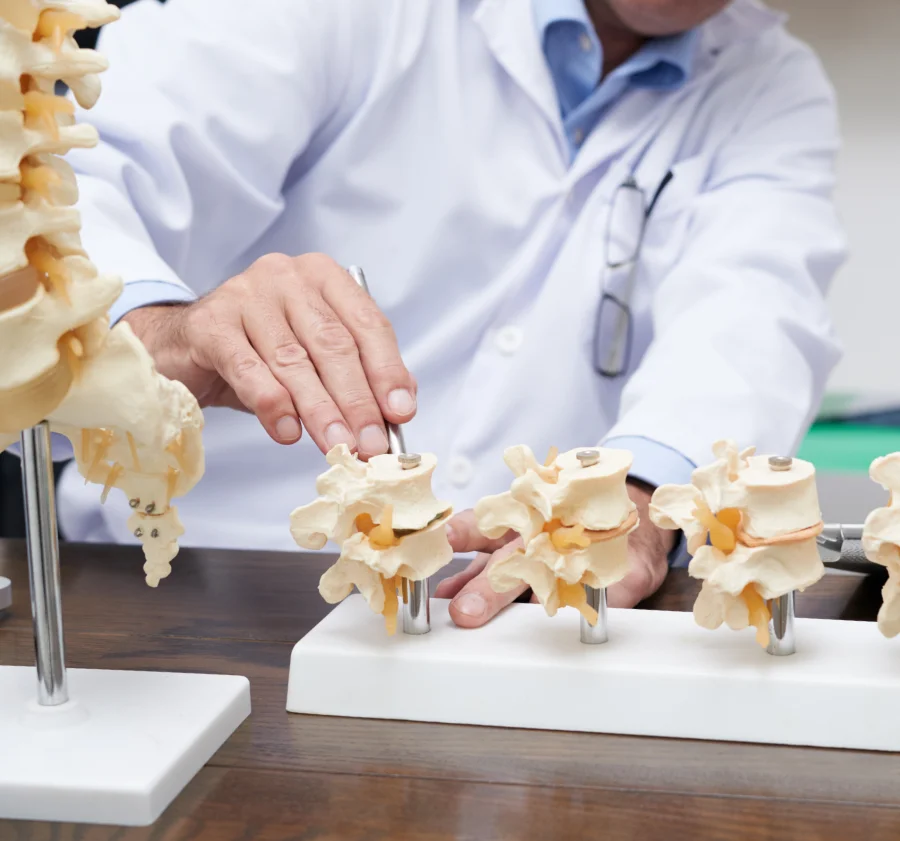
The Evolution of Spine Care
Traditional pain management often followed a straightforward path: identify the pain, prescribe medication, and hope for improvement. Unfortunately, this approach frequently falls short for chronic conditions. Moreover, long-term reliance on pain medications can lead to tolerance, dependence, and a host of side effects that sometimes create additional health challenges.
Modern spine care recognizes that chronic back pain requires targeted treatment of specific anatomical structures. This understanding has led to the development of precise diagnostic and therapeutic procedures that can identify and treat the exact source of pain.
Advanced Diagnostic and Therapeutic Injections
One of the most significant advances in spine care involves targeted injection therapies that can both diagnose and treat pain sources. These procedures represent a major leap forward from the “trial and error” approach of traditional pain management.
Epidural Steroid Injections (ESI) have become a cornerstone of modern spine care. These minimally invasive treatments deliver corticosteroids and anesthetics directly into the epidural space, targeting inflammation and nerve irritation at its source. Whether you’re dealing with herniated discs, spinal stenosis, or sciatica, ESI can provide significant relief throughout the cervical, thoracic, and lumbar spine.
Medial Branch Blocks (MBB) and Facet Joint Injections offer another targeted approach, focusing on the small nerve branches that supply the spine’s facet joints. These procedures serve a dual purpose—they can confirm whether facet joints are the source of your pain while simultaneously providing therapeutic relief. When successful, they often pave the way for longer-lasting treatments.
Sacroiliac (SI) Joint Injections address a commonly overlooked source of lower back pain. The SI joint, which connects your spine to your pelvis, can be a significant pain generator. These targeted injections can provide relief for lower back, buttock, and leg pain caused by SI joint dysfunction, inflammation, or arthritis.
Long-Term Relief Through Radiofrequency Procedures
When diagnostic injections confirm the source of pain, radiofrequency procedures can provide extended relief that lasts months or even years. These treatments represent a significant advance over temporary solutions.
Radiofrequency Ablation (RFA) is a minimally invasive procedure that disrupts pain signals by applying targeted heat to nerve tissues. This technique is particularly effective for chronic spinal pain, arthritis-related conditions, and nerve disorders. The beauty of RFA lies in its ability to provide long-lasting relief without the need for ongoing medications.
Endovenous Radiofrequency Ablation (EVRFA) addresses a different but related issue—varicose veins and chronic venous insufficiency that can contribute to leg pain and discomfort. Using radiofrequency energy, this procedure closes diseased veins, restoring healthy circulation and reducing symptoms like leg pain, swelling, and skin changes.
Minimally Invasive Surgical Solutions
For patients who haven’t found relief through conservative treatments or injection therapies, modern spine surgery offers options that were unimaginable just a few decades ago. These procedures focus on precision and minimal tissue disruption.
Percutaneous Discectomy represents an advanced, minimally invasive approach to treating herniated discs. This technique removes damaged disc material that’s causing nerve compression, providing relief for herniated discs, sciatica, and radiculopathy. The procedure offers faster recovery times compared to traditional surgery while maintaining excellent outcomes.
Minimally Invasive Spine Surgery (MIS) has revolutionized how we approach complex spine conditions. Using small incisions and advanced techniques, MIS can treat herniated discs, spinal stenosis, and degenerative conditions while preserving healthy tissues. This approach leads to faster recovery, reduced complications, and better long-term outcomes.
Advanced Technology for Chronic Pain
When traditional treatments fall short, cutting-edge technology offers new hope for patients with chronic pain conditions. These advanced therapies target pain at the neurological level.
Spinal Cord Stimulation (SCS) represents one of the most sophisticated approaches to chronic pain management. This implantable device sends mild electrical pulses to interrupt pain signals before they reach the brain. It’s particularly effective for chronic nerve pain, failed back surgery syndrome, and complex regional pain syndrome.
The technology behind SCS has advanced significantly, with newer devices offering programmable settings that can be adjusted to provide optimal pain relief for each individual patient. Many patients find that SCS allows them to reduce or eliminate their reliance on pain medications while maintaining an active lifestyle.
The Precision Medicine Approach
What sets modern spine care apart is its emphasis on precision—identifying the exact source of pain and targeting it with the most appropriate treatment. This approach often involves a progression of treatments, starting with less invasive options and advancing to more sophisticated interventions when needed.
Diagnostic procedures play a crucial role in this process. Rather than guessing at the source of pain, modern spine specialists use targeted injections and advanced imaging to pinpoint exactly where the problem lies. This precision allows for more effective treatment and better outcomes.
Combining Treatments for Optimal Results
The most effective approach to chronic back pain often involves combining different treatment modalities. For example, a patient might benefit from epidural steroid injections for immediate relief, followed by radiofrequency ablation for longer-term pain control, and physical therapy to address underlying functional issues.
This comprehensive approach recognizes that chronic pain is complex and often requires multiple interventions to achieve optimal results. The key is having access to the full range of treatment options and working with specialists who can coordinate these different approaches.
Recovery and Long-Term Outcomes
Modern spine treatments are designed not just to provide pain relief, but to restore function and improve quality of life. Most of these procedures are performed on an outpatient basis, allowing patients to return to their normal activities relatively quickly.
Recovery times vary depending on the specific procedure, but most patients can expect to resume normal activities within days to weeks, rather than the months of recovery often associated with traditional surgery. This faster recovery is particularly important for patients who need to return to work or maintain their daily responsibilities.
The Future of Spine Care
The field of spine medicine continues to evolve rapidly, with new technologies and techniques constantly improving outcomes for patients with chronic back pain. Advances in imaging technology, robotics, and minimally invasive techniques continue to push the boundaries of what’s possible in spine care.
However, the most significant advancement may be the recognition that effective spine care requires a comprehensive, patient-centered approach that addresses each individual’s unique circumstances and goals.
Conclusion
Managing chronic back pain effectively requires moving beyond the traditional reliance on pain medications alone. Today’s advanced spine care offers hope for lasting relief and improved quality of life through evidence-based treatments that address the root causes of pain with precision and minimal invasiveness.
At AllSpine Health Clinic, our specialists offer the full spectrum of modern spine care interventions, from targeted injection therapies to advanced surgical procedures. We understand that every patient’s pain experience is unique, and we’re committed to providing personalized treatment plans that incorporate the latest advances in spine medicine.
If you’re tired of simply managing your pain and ready to explore solutions that can help you reclaim your life, we encourage you to explore these modern approaches. From epidural steroid injections to spinal cord stimulation, from minimally invasive surgery to radiofrequency ablation, the tools for effective spine care have never been more advanced or more promising. The journey beyond pain pills begins with understanding that effective, lasting relief is possible with the right combination of treatments tailored to your specific needs.